Sunday, 29 October 2017

HOW TO KEEP YOUR HEART HEALTHY NATURALLY

Heart disease may be a leading cause of death, but that doesn't mean you have to accept it as your fate. Although you lack the power to change some risk factors — such as family history, sex or age — there are some key heart disease prevention steps you can take to reduce your risk.

Although you might know that eating certain foods can increase your heart disease risk, it's often tough to change your eating habits. Whether you have years of unhealthy eating under your belt or you simply want to fine-tune your diet, here are eight heart-healthy diet tips. 
                                                         Red heart in the hand of a physician
Once you know which foods to eat more of and which foods to limit, you'll be on your way toward a heart-healthy diet.

You can avoid heart problems in the future by adopting a healthy lifestyle today. Here are seven heart disease prevention tips to get you started.


CAUSES OF HEART DISEASES


Heart disease occurs when plaque develops in the arteries and blood vessels that lead to the heart. This blocks important nutrients and oxygen from reaching your heart.
Plaque is a waxy substance made up of cholesterol, fatty molecules, and minerals. Plaque accumulates over time when the inner lining of an artery is damaged by high blood pressure, cigarette smoking, or elevated cholesterol or triglycerides. 
  • Age. Aging increases your risk of damaged and narrowed arteries and weakened or thickened heart muscle.
  • Sex. Men are generally at greater risk of heart disease. However, women's risk increases after menopause.
  • Family history. A family history of heart disease increases your risk of coronary artery disease, especially if a parent developed it at an early age (before age 55 for a male relative, such as your brother or father, and 65 for a female relative, such as your mother or sister).
  • Smoking. Nicotine constricts your blood vessels, and carbon monoxide can damage their inner lining, making them more susceptible to atherosclerosis. Heart attacks are more common in smokers than in nonsmokers.
  • Poor diet. A diet that's high in fat, salt, sugar and cholesterol can contribute to the development of heart disease.
  • High blood pressure. Uncontrolled high blood pressure can result in hardening and thickening of your arteries, narrowing the vessels through which blood flows.
  • High blood cholesterol levels. High levels of cholesterol in your blood can increase the risk of formation of plaques and atherosclerosis.
  • Diabetes. Diabetes increases your risk of heart disease. Both conditions share similar risk factors, such as obesity and high blood pressure.
  • Obesity. Excess weight typically worsens other risk factors.
  • Physical inactivity. Lack of exercise also is associated with many forms of heart disease and some of its other risk factors, as well.
  • Stress. Unrelieved stress may damage your arteries and worsen other risk factors for heart disease.
  • Poor hygiene. Not regularly washing your hands and not establishing other habits that can help prevent viral or bacterial infections can put you at risk of heart infections, especially if you already have an underlying heart condition. Poor dental health also may contribute to heart disease.

CURE HEART DISEASE NATURALLY

                      Text HEART DISEASE made of wooden cubes and stethoscope on color background

Grapes: Fresh fruits in general are beneficial in the treatment of heart disease. They tone up the heart. Grapes are especially effective in heart pain and palpitation of the heart, and the disease can be rapidly controlled if the patient adopts an exclusive diet of grapes for a few days. Grape juice is particularly valuable when one is actually suffering from a heart attack.
Apple: Apples have heart-stimulating properties. Patients suffering from a weak heart will benefit greatly by making liberal use of this fruit and apple jam.
Indian Gooseberry: Indian gooseberry is considered an effective home remedy for heart disease. It tones up the functions of all the organs of the body, and builds up health by destroying the heterogenous elements and renewing lost energy. When the fruit is in season, one medium-sized Indian gooseberry can be taken with a little salt daily; when not in season, dry pieces can be chewed.
Onion: Onions have been found valuable in heart disease. They are useful in normalising the percentage of blood cholesterol by oxidising excess cholesterol. One teaspoon of raw onion juice first thing in the morning is beneficial in such cases.
Honey: Honey has got marvellous properties to prevent all sorts of heart disease. Honey tones up the heart and improves the circulation. It is also effective in cardiac pain and palpitation of the heart. One tablespoon daily after food is sufficient to prevent all sorts of heart troubles.
Asparagus: Asparagus is an excellent food for strengthening the heart. A good medicine for a weak or an enlarged heart is prepared by mixing the freshly extracted juice of this vegetable with honey, in the ratio of 2:1. A teaspoon of this medicine should be taken three times daily. Patients with heart disease will also benefit by steam cooking this vegetable.
Alfalfa: The herb alfalfa in the form of juice has been found very helpful in most troubles related to the arteries and heart diseases. Only the leaves of the plant are used for this purpose, when they can be obtained fresh. The juice of fresh alfalfa is, however, too strong and potent to be taken by itself. It is best taken with carrot juice in equal quantities of 125 ml each, twice daily. In this combination, the individual benefits of each juice are intensified.
Safflower: Safflower oil has proved beneficial in lowering blood cholesterol. Hence it can be used liberally with persons suffering from cardiovascular disorders. An emulsion with the trade name Saffloxin-Cipla is used routinely during myocardial infarction, cardiac ischaemia, and hypertension.

Vitamin E
: Patients with heart disease should increase their intake of foods rich in vitamin E, as this vitamin is said to promote heart function by improving oxygenation of the cells. It also improves the circulation and muscle strength. Many wholemeal products and green vegetables, particularly outer leaves of cabbage, are good sources of vitamin E.
Vitamin C: Vitamin C is also essential as it protects against spontaneous breaches in capillary walls which can lead to heart attacks. It also guards against high blood cholesterol. The stress of anger, fear, disappointment, and similar emotions can raise blood fat and cholesterol levels immediately but this reaction to stress can do little harm if the diet is adequate in vitamin C and pantothenic acid. One of the richest sources of vitamin C is citrus fruits.
Increase your omega-3 fatty acid intake. Both cardiologists mentioned above refer to the imbalance of omega-6 fatty acids to omega-3 as an inflammatory factor in the standard American diet (SAD).

Omega-3 is high in fish and krill oils, fatty fish, freshly ground flax seeds, hemp seeds, and chia seeds as well as avocados and free range eggs. The oils from those plants are also beneficial if they are organic and cold pressed.

Avoid oils that are processed by heat or hydrogenated. These cause inflammation, and they're ubiquitous in processed and fast foods. But there is one cold pressed oil to avoid, Canola (rapeseed) oil. It's not the health food it's promoted to be.

Increase your magnesium intake. It's the most important ignored mineral in existence involving 300 metabolic processes. It directly affects heart health, especially with heart beat regulation. Yet most Americans are magnesium deficient.

Greens are excellent sources of magnesium, which can also be supplemented orally with magnesium citrate formulas or topically with magnesium chloride, and even by soaking in Epsom salts.

Studies have determined that pomegranate juice helps unclog arteries by reducing artery thickness. L-Arginine is a supplement that helps increase blood vessel nitric oxide to repair arterial inner lining damage.

Master herbalist Dr. John Christopher was nicknamed doctor cayenne because he praised its value as a heart health tonic, which if strong enough could halt a heart attack in progress.

Jamaica tea (hu-my-ku) reduces blood pressure, and Hawthorn berry tea or extracts are traditional Chinese heart tonics that have stood up to western clinical research.

               THANK YOU!!!

Monday, 23 October 2017

HOW TO LOOSE YOU WEIGHT NATURALLY

It’s natural for anyone trying to lose weight to want to lose it very quickly. But evidence shows that people who lose weight gradually and steadily (about 1 to 2 pounds per week) are more successful at keeping weight off. Healthy weight loss isn’t just about a “diet” or “program”. It’s about an ongoing lifestyle that includes long-term changes in daily eating and exercise habits.
       
                             men can not sing belt on his pants due to big stomach
To lose weight, you must use up more calories than you take in. Since one pound equals 3,500 calories, you need to reduce your caloric intake by 500—1000 calories per day to lose about 1 to 2 pounds per week.
Losing weight is easy but it takes commitment. But if you’re ready to get started, we’ve got a step-by-step guide to help get you on the road to weight loss and better health.

CAUSES OF WEIGHT GAIN

Weight gain that occurs when your weight
 increases without increasing your food intake has many causes. Here's a look at some of the more common underlying reasons for weight gain:
Hypothyroidism
Thyroid hormone deficiency may slow metabolism, resulting in weight gain from fat gain and water retention.
         
                  Hypothyroidism doctor hand working Professional Medical Concept
Symptoms of hypothyroidism can include fatigue, lethargy, swelling of the face or around the eyes, dry, coarse skin, decreased sweating, poor memory, slow speech and hoarse voice, weakness, intolerance to cold and headache.
Cushing's Syndrome
Cushing's syndrome is a disorder caused by an excess of the hormone cortisol. Fat accumulates in the face, abdomen and upper back, often producing a characteristic rounded "moon" face and "buffalo hump". The arms and legs usually remain slender.
Other symptoms of Cushing's syndrome include muscle wasting and weakness, thin skin, poor wound healing, easy bruising, purple "stretch marks" on the abdomen, menstrual irregularities, high blood pressure, glucose intolerance and hair loss in women.
Medication
Hormone replacement therapy and oral contraceptives containing estrogen can cause fluid retention and increased appetite. Other drugs that can cause weight gain are nonsteroidal anti-inflammatory drugs (NSAIDs), antidepressants, and diabetes medications.
Polycystic Ovarian Syndrome
Affecting approximately 5 million reproductive-aged women in the United States, polycystic ovarian syndrome (PCOS) is a condition that results in weight gain, difficulty becoming pregnant, irregular or absent menstrual periods, acne, thinning scalp hair, ovarian cysts, and excess hair growth on the face and body.
Hormonal Changes of Menopause
Declining estrogen during midlife can cause women to experience weight gain around the abdomen and hips.
Weight Gain Associated With Menstruation
Some women may experience bloating and fluid retention around the time of their menstrual period.
Fluid Retention
Conditions such as heart, liver, or kidney disease can cause fluid retention (also known as edema), which can appear as swelling in the eyes, hands, feet, face, abdomen and/or arms and legs.
Diabetes
People with poorly controlled diabetes may gain weight because their bodies are unable to properly convert food into energy.
Food Allergies and Sensitivities
Eating foods to which you are allergic can result in inflammation and lead to weight gain. Much of the weight gained is fluid retention caused by inflammation and the release of certain hormones.
Other Causes
Besides the conditions above, there are other reasons why someone may gain weight or feel bloated, such as:
  • Stress 
  • Digestive conditions, such as irritable bowel syndrome (IBS), gastroesophageal reflux disease (GERD), ulcers, constipation, small intestine bacterial overgrowth (SIBO)
  • Cancer - e.g. ovarian cancer
  • Pregnancy
REDUCE WEIGHT NATURALLY

Cinnamon Tea

Blood sugar has a direct impact on your weight as it affects how hungry and how energetic you are (if you have energy you’re much more likely to exercise!)
                       Glass cup of tea on a wooden table with sliced lemon and cinnamon.
If your blood sugar is balanced you are less likely to have a disproportionately large appetite, and your body will be more apt to use fat (energy) rather than storing it.


Rose Petal Water

The benefits of rose petal water are backed more by anecdotal evidence than anything, but that’s no reason to shrug off this mild yet refreshing drink. Rose petals act as a very gentle diuretic. Diuretics encourage your kidneys to put more sodium (salt) into your urine. This excess salt in turn draws water from your blood, decreasing the amount of water in your circulatory system. This is not “permanent” weight loss-just water weight-but the action encourages you to drink more and keep your system flushed clean and hydrated. Staying hydrated, believe it or not, can be hugely beneficial to losing weight.
                      tea ceremony with rosebud
Without exercise, it’s near impossible to lose weight-at least in a healthy way. In addition to boosting energy, there is tentative evidence that it can help manage blood sugar, which also affects energy levels as well as appetite.

Dandelion and Peppermint

Dandelion and peppermint tea is a fabulous drink that will help keep your liver healthy. The liver is an incredible organ. Not only is it the only way to truly detoxify your body, it is also plays a central role in many metabolic processes-a lot of which affect weight. In terms of fat metabolism, the liver is full of cells that break down fats and turn them into usable energy. These cells are also responsible for the flow of bile, which helps breakdown and absorb fats. In the metabolism of carbohydrates, the liver helps keep your blood sugar steady, therefore keeping energy levels up and regulating appetite.


Chew Gum

Chewing gum is a great way to trick your brain (and your stomach) into thinking it’s getting more than it is. The flavor of the gum reduces appetite and curbs the urge to snack on something unhealthy, and also stimulates the flow of saliva, whose enzymes help break down starches and fats.

Plain Yogurt and Honey

This is an awesome breakfast/snack. It’s one of those “I wouldn’t guess this is good for me!” type foods. The probiotics in yogurt do wonders for the digestive track and maintains a healthy balance of gut flora that optimizes digestion and the breakdown of certain substances (like fat.) When you digestive track is running smoothly, your body is processing things better and it’s not as likely to pack on the pounds. The honey is just a little added (healthy) sweetness to satisfy any cravings you might have. The beautiful thing here is that you really don’t feel like you’re getting shorted any flavor or fullness when you eat it. For optimum weight-loss awesomeness, try low fat yogurt.

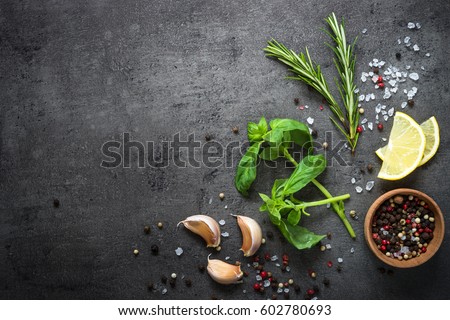
 Black Pepper and Lemon Juice

This spicy little concoction contains black pepper and lemon juice to create a drink that can help you keep ahead on your weight loss battle. Black pepper contains a naturally occurring chemical compound called piperine, which is responsible for giving it its pungent flavor.
               Selection of spices herbs and greens. Ingredients for cooking. Food background on black slate table. Top view copy space.
 Several new studies have shown that piperine can interfere with the genes that control the generation of fat cells, as well as reducing fat levels in the blood stream and enhancing the absorption of nutrients from our foods.
                                                 THANK YOU!!!

Friday, 20 October 2017

HOW TO CONTROL THYROID NATURALLY

Your thyroid is a butterfly-shaped gland in your neck, just above your collarbone. It is one of your endocrine glands, which make hormones.Thyroid disorders can range from a small, harmless goiter (enlarged gland) that needs no treatment to life-threatening cancer. The most common thyroid problems involve abnormal production of thyroid hormones.Thyroid problems include

                         Thyroid gland inside human body. 3D illustration
  • Goiter - enlargement of the thyroid gland
  • Hyperthyroidism - when your thyroid gland makes more thyroid hormones than your body needs
  • Hypothyroidism - when your thyroid gland does not make enough thyroid hormones
  • Thyroid cancer
  • Thyroid nodules - lumps in the thyroid gland
  • Thyroiditis - swelling of the thyroid

Causes of hyperthyroidism

All types of hyperthyroidism are due to overproduction of thyroid hormones, but the condition can be caused in several ways:


Graves' disease
. This is an autoimmune condition and is the commonest cause of an overactive thyroid gland.


Toxic adenomas. Nodules develop in the thyroid gland and begin to secrete thyroid hormones, upsetting the body's chemical balance. Some goitres may contain several of these nodules.

Subacute thyroiditis. This is where inflammation of the thyroid causes the gland to ‘leak’ excess hormones, resulting in temporary hyperthyroidism. The condition generally lasts a few weeks, but it may persist for months.

Pituitary gland malfunctions or cancerous growths in the thyroid gland. In rare cases, hyperthyroidism can also be due to these causes.

Causes of hypothyroidism

Hypothyroidism, by contrast, stems from an underproduction of thyroid hormones. Since your body's energy systems require certain amounts of thyroid hormones, a drop in hormone production leads to lower energy levels. Causes of hypothyroidism include:
  • Hashimoto's disease. In this autoimmune disorder, the body’s own immune system attacks thyroid tissue, leading to reduced thyroid hormone.
  • Removal of the thyroid gland. The thyroid may be surgically removed or chemically destroyed as a treatment for hyperthyroidism.
  • Exposure to excessive amounts of iodide. Cold and sinus medicines, the heart medicine amiodarone or certain contrast dyes given before X-rays may expose you to too much iodine. 
  • You may then be at greater risk of developing hypothyroidism, especially if you have had thyroid problems in the past.
  • Lithium. This drug has also been linked to hypothyroidism.

SYMPTOMS OF THYROID


  1. Nervousness and tremor: These symptoms, along with agitation, can signal an overfunction of the thyroid gland (hyperthyroidism).
  2. Mental fogginess and poor concentration: Mental functioning can be affected both hyperthyroidism (elevated levels of thyroid hormone) and hypothyroidism (too low levels of thyroid hormones). While sluggishness and depressed mood are often associated with hypothyroidism, hyperthyroidism can also lead to a reduced capacity for concentration.
  3. Menstrual changes: Hypothyroidism is sometimes associated with excessive or prolonged menstrual bleeding, while hyperthyroidism can be characterized by scanty or reduced menstrual flow.
  4. Feeling bloated: Fluid retention is often a sign of an underactive thyroid gland.
  5. Racing heartbeat: An increased heart rate (tachycardia) and palpitations can be symptoms of hyperthyroidism.
  6. Aches and pains: Muscle aches and pain can accompany different types of thyroid problems.
  7. Weight gain: A modest amount of weight gain often accompanies conditions in which thyroid gland activity is lower than normal.
  8. High cholesterol levels: An increase in blood cholesterol levels can occur in individuals with hypothyroidism.
  9. Heat intolerance: People with an overactive thyroid gland often complain of intolerance to higher temperatures.
  10. Feeling cold: Conversely, those with an underfunctioning thyroid may feel constantly cold.

TREATMENT FOR THYROID  NATURALLY


1. Coconut Oil

Coconut oil contains medium-chain fatty acids that help improve thyroid functioning. It will also stimulate metabolism and boost energy. Plus, it will help raise the basal body temperature which is important for those dealing with low thyroid function.
                      Coconut oil on table close-up
  • Use coconut oil for cooking. Always use extra-virgin organic coconut cooking oil.
  • You can also add two tablespoons of coconut oil to milk and drink it in the morning along with your breakfast every day. You can also add it to your smoothies.

2. Kelp

Kelp is a brown seaweed rich in iodine and other minerals. It is useful for those suffering from hypothyroidism due to iodine deficiency. However, this remedy is not recommended for those suffering from autoimmune thyroid problems or else it may worsen the condition.
                    Three strands of kelp wave lazily up in the ocean current
So, do consult your doctor before taking kelp supplements to check if it is suitable for you and find the correct dosage specific to your condition.

3. Apple Cider Vinegar

Apple cider vinegar may also help deal with this thyroid disorder. It is believed that it aids detoxification, restores acid alkaline balance, facilitates weight loss, and helps regulate hormones and improve their energy metabolism.
                   Apple cider vinegar in glass bottle and basket with fresh apples
Apple cider vinegar is also beneficial for other health problems like diabetes, high blood pressure, high cholesterol, and others.
  1. Add two tablespoons of organic apple cider vinegar to a glass of warm water.
  2. Mix in a little honey.
  3. Drink this solution daily on a regular basis.

4. Fish Oils


                  Fish oil with flax grain and fish on wooden background
Fish oils are considered good for increasing thyroid hormone uptake and maintaining healthy thyroid function. Being rich in omega 3 fatty acids, they also fight inflammation and increase immunity.Take fish oil supplements after consulting your doctor, especially if you are taking blood thinners. The general dosage is up to 3 grams per day.

5. Vitamin D

Vitamin D deficiency has been associated with several autoimmune diseases, including thyroid disease. Exposure to early sunshine is a good way to generate the vitamin D required by the body.
So, expose your body to early morning sunrays for about 15 minutes daily. This will also help maintain healthy immune function and calcium metabolism.
Those suffering from hypothyroidism can make it a habit to wake up in the morning and do some healthy exercises (stimulates the thyroid gland), such as walking outdoors. You’ll get the early sunshine as well as benefit from the physical exercise.

6. Guggul

Guggul comes from the gum resin of an Indian tree called Commiphora Mukul. Research indicates that its active compounds called guggulsterones may help in the treatment of hypothyroidism by stimulating thyroid function. Plus, it has anti-inflammatory, anti-obesity and cholesterol-lowering benefits.
You can take this herb in supplement form after consulting your doctor. Generally, it is taken in doses of 25 mg three times a day. When taking this herb, be sure to monitor your T3 and T4 thyroid hormone levels as it stimulates the conversion of T4 into its more active T3 form.
Caution: Guggul may interfere with estrogen, birth control pills, beta-blockers and other medications.
               
              THANK YOU!!
              

Thursday, 19 October 2017

HOW TO FIGHT DIABETES NATURALLY

When you eat, your body turns food into sugars, or glucose. At that point, your pancreas is supposed to release insulin.  Insulin serves as a “key” to open your cells, to allow the glucose to enter -- and allow you to use the glucose for energy.  But with diabetes, this system does not work. 
                             Doctor shows glucometer with glucose level. doctor patient diabetes glucometer blood glucose office hand concept
Diabetes mellitus, commonly referred to as diabetes, is a group of metabolic disorders in which there are high blood sugar levels over a prolonged period. Symptoms of high blood sugar include frequent urination, increased thirst, and increased hunger. If left untreated, diabetes can cause many complications.

Type 1 and type 2 diabetes are the most common forms of the disease, but there are also other kinds, such as gestational diabetes, which occurs during pregnancy, as well as other forms. 

TYPE 1 
diabetes  type 1, or insulin-dependent diabetes. It’s sometimes called “juvenile” diabetes, because type 1 diabetes usually develops in children and teenagers, though it can develop at any age.

TYPE 2
The most common form of diabetes is called type 2, or non-insulin dependent diabetes.
This is also called “adult onset” diabetes, since it typically develops after age 35. However, a growing number of younger people are now developing type 2 diabetes.  
People with type 2 are able to produce some of their own insulin. Often, it’s not enough. And sometimes, the insulin will try to serve as the “key” to open the body’s cells, to allow the glucose to enter. But the key won’t work. The cells won’t open. This is called insulin resistance.  
Often, type 2 is tied to people who are overweight, with a sedentary lifestyle.    


WHAT CAUSE DIABETES ?


  • Hereditary or Inherited Traits : It is strongly believed that due to some genes which passes from one generation to another, a person can inherit diabetes. It depends upon closeness of blood relationship as mother is diabetic, the risk is 2 to 3%, father is diabetic, the risk is more than the previous case and if both the parents are diabetic, the child has much greater risk for diabetes.                    
  • Age : Increased age is a factor which gives more possibility than in younger age. This disease may occur at any age, but 80% of cases occur after 50 year, incidences increase with the age factor.           
  • Poor Diet (Malnutrition Related Diabetes) : Improper nutrition, low protein and fiber intake, high intake of refined products are the expected reasons for developing diabetes.                         
  • Obesity and Fat Distribution : Being overweight means increased insulin resistance, that is if body fat is more than 30%, BMI 25+, waist girth 35 inches in women or 40 inches in males.                   
  • Sedentary Lifestyle : People with sedentary lifestyle are more prone to diabetes, when compared to those who exercise thrice a week, are at low risk of falling prey to diabetes.                         
  • Stress : Either physical injury or emotional disturbance is frequently blamed as the initial cause of the disease. Any disturbance in Corticosteroid or ACTH therapy may lead to clinical signs of the disease.                                           
  • Drug Induced: Clozapine (Clozaril), olanzapine (Zyprexa), risperidone (Risperdal), quetiapine (Seroquel) and ziprasidone (Geodon) are known to induce this lethal disease.                                  
  • Infection : Some of the staphylococci is suppose to be responsible factor for infection in pancreas.                              
  • Sex : Diabetes is commonly seen in elderly especially males but, strongly in women and those females with multiple pregnancy or suffering from (PCOS) Polycystic Ovarian Syndrome.                                  
  • Hypertension : It had been reported in many studies that there is direct relation between high systolic pressure and diabetes.                                          
  • Serum lipids and lipoproteins : High triglyceride and cholesterol level in the blood is related to high blood sugars, in some cases it has been studied that risk is involved even with low HDL levels in circulating blood.

CURE DIABETES NATURALLY


Nutrition for Diabetes

Getting a full spectrum of natural nutrition is especially important for diabetics. The current medical understanding of type 1 diabetes, which is limited at best, says that type 1 diabetes is caused by the destruction of insulin-producing cells within the pancreas.

                    Glucose meter with medical stethoscope, fruits and dumbbells for using in fitness, concept of diabetes, healthy lifestyles and nutrition

Your body has the blueprint for repairing and restoring these cells, and it will automatically do so if it is in the position to do so. Obviously, a degenerative diet and lifestyle does not allow this to happen. To repair and restore the pancreas, top notch nutrition is essential. In particular, superfoods will provide excellent nutrition for the pancreas and the rest of the body.

Exercise

Especially for type 2 diabetics, a regular exercise program is extremely important. Exercise helps improve the body's utilization of glucose / blood sugar. It also helps to improve the body's insulin sensitivity. Given the fact that type 2 diabetes is essentially advanced insulin resistance, you can see why exercise is important.

                     Young female workout before fitness training session at the park. Healthy young woman warming up outdoors. She is stretching her arms and looking away,hi key.

Exercise, of course, is not just a critical part of any natural diabetes treatment, but it also comes with a whole list of other wonderful health benefits.

Make sure that 90-95% of your carbohydrates are complex carbohydrates

Complex carbohydrates are made up of individual sugar molecules that are strung together in long, complicated and often branched chains.
  • Complex carbohydrates are found in whole, unprocessed foods. Examples of complex carbohydrates include whole grain bread, brown rice, buckwheat, millet, quinoa, oats, starchy vegetables such as sweet potatoes, corn, pumpkin and squash, beans, peas, lentils, nuts and seeds.
  • Avoid simple carbohydrates. Simple carbohydrates include added sugars like glucose, sucrose (table sugar), and fructose (most often added as high fructose corn syrup or HFCS). Consuming HFCS has been associated with increased risk of cardiovascular disease and obesity
Increase the amount of water you drink

Water helps flush out naturally produced toxins and helps maintain mineral (electrolyte) balance. Aim for about eight 8 ounce glasses of water per day. Talk to your doctor to determine if you have any special fluid restrictions or needs that you should consider.

                            Glasses of water on a wooden table. Selective focus. Shallow DOF                                               
  • Skip sugary beverages. Sugar by itself does not cause diabetes, but ingesting more sugar-filled beverages is linked to an increased risk of Type 2 diabetes.
  • Try drinking water, unsweetened sparkling water, or unsweetened iced tea instead of sugary soda.

Add flaxseeds to get more fiber in your diet 

Getting enough fiber is essential to preventing and treating diabetes. Flaxseeds are great sources of fiber and they are an excellent source of the essential omega-3 fatty acids, EPA and DHA.

                           Flax seeds in spoons over dark background.                                        
  • In addition to providing essential nutrients that may help to treat and prevent diabetes, flaxseed and the fiber they contain can help with bowel movements and can help you decrease blood cholesterol as well. Flaxseeds are also associated with decreased risk of colon, breast and prostate cancer, and they may also help with menopause symptoms.
  • Try to include a tablespoon of ground flaxseeds at every meal or 3 tablespoons of flaxseed a day.
  • Use a coffee grinder to grind your own flax seeds or keep pre-frozen ground seeds in your freezer.

Eat more fish and skinless poultry

Getting enough quality protein is an important component of diabetes prevention. Make sure that any poultry you eat is skinless to reduce the amount of unhealthy animal fats you consume and eat a couple of servings of wild-caught fish each week.
  • Wild-caught fish such as salmon, cod, haddock and tuna are good sources of omega-3 fatty acids, which are essential to good health.

              THANK YOU!!!


Wednesday, 18 October 2017

HOW TO DEAL WITH DEPRESSION NATURALLY

Life isn't always pleasant or easy, but feeling constantly unhappy—or so unhappy you can't function—is a problem you can overcome. Depression can make you feel sad, mad, or empty and numb, but there's a lot you can do to change how you feel.
The key to recovery is to start small and make daily investments in yourself. Full recovery can take time but you can lift the heavy weight of depression and start to feel more positive, happy, and energetic again.

Upset, Overwhelmed, Stress, Tired, Frustrated, Stressed

Depression is a widespread global problem, with an estimated 350 million people dealing with this severe mood disorder today But in some people, this low mood becomes persistent and lasts a long time — for weeks, months or even years. 
And if it comes with other hallmark symptoms, such as lack of interest in enjoyable activities, a feeling of hopelessness or thoughts about self-harm or even suicide, then watch out: You may be suffering from depression.

SYMPTOMS OF DEPRESSION


Lost interest


Man, Dark, Gloomy, Mood, Mystical, Night, Spooky, No
Depression can take the pleasure or enjoyment out of the things you love. A loss of interest or withdrawal from activities that you once looked forward to — sports, hobbies, or going out with friends — is yet another telltale sign of major depression.
Another area where you may lose interest is sex. Symptoms of major depression include a decreased sex drive and even impotence.
A person exhibiting this symptom will show markedly diminished interest or pleasure in all, or almost all, daily activities.


Significant Weight Change


Weight Loss, Weight, Nutrition, Scale
Significant changes in weight (a gain or loss of 5 percent or more in a month) while not attempting to gain or lose may be indicative of depression. In children, this may also present as a failure to make expected weight gains.


Fatigue


Girl, Computer, Work, Fatigue, Office, Woman
Deep fatigue or a loss of energy is a symptom of depression that can cause patients to struggle functioning as they previously did. This can manifest itself as feeling sleepy or having difficulty concentrating, as well as a lowered threshold for physical exertion. 

Anxiety
While depression hasn’t been shown to cause anxiety, the two conditions often occur together. Symptoms of anxiety can include:
  • nervousness, restlessness, or feeling tense
  • feelings of danger, panic, or dread
  • rapid heart rate
  • rapid breathing
  • increased or heavy sweating
  • trembling or muscle twitching
  • trouble focusing or thinking clearly about anything other than the thing you’re worried about


Sleep Disturbances

Sleep disturbances including difficulty falling asleep, staying asleep, feeling sleepy despite a full night's rest, or daytime sleepiness can indicate depression.

CURE DEPRESSION NATURALLY


Exercise
                   Active, Athletic, Exercise, Female, Fit
It temporarily boosts feel-good chemicals called endorphins. It may also have long-term benefits for people with depression. Regular exercise seems to encourage the brain to rewire itself in positive ways.
Eat healthy. There is no magic diet that fixes depression. It's a good idea to watch what you eat, though. If depression tends to make you overeat, getting in control of your eating will help you feel better.
Although nothing is definitive, Cook says there's evidence that foods with omega-3 fatty acids (such as salmon and tuna) and folic acid (such as spinach and avocado) could help ease depression.

Get enough sleep
             Woman, Girl, Bella, Read, Sleep, Dreams
Depression can make it hard to get enough shut-eye, and too little sleep can make depression worse.
What can you do? Start by making some changes to your lifestyle. Go to bed and get up at the same time every day. Try not to nap. Take all the distractions out of your bedroom -- no computer and no TV. In time, you may find your sleep improves.


Eat a Healthy diet


               Carrot, Kale, Walnuts, Tomatoes

Eating healthy can help with mood in general, but there are some foods that can help with serotonin, the chemical in the brain that contributes to “happy.” Prozac, for example, works by inhibiting serotonin reuptake inhibitors, which raises the levels in your brain
Fish-oil, rich in Omega-3 fatty acids
-Healthy fat, such as coconut oil
-Flaxseed oil
-Sour cherries
-Eggs


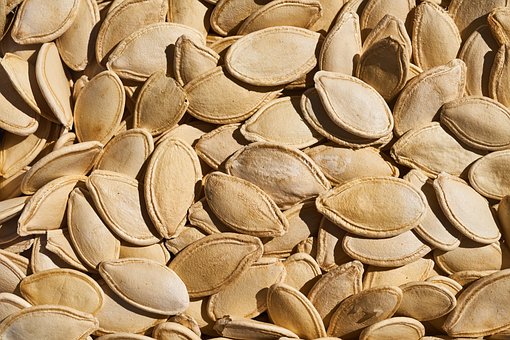
Load up on pumpkin seeds

          Core, Pumpkin Seeds

Pumpkin seeds contain healthy fats and magnesium, both of which can help lighten your mood. They also contain L-tryptophan, an amino acid that is involved in the production of serotonin.


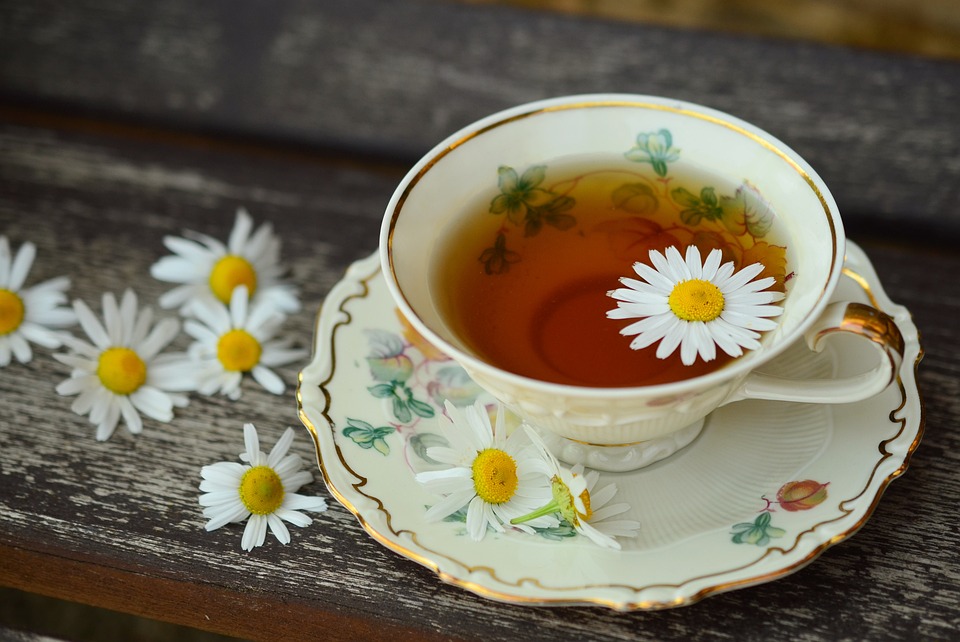
Drink chamomile tea

Cup, Tee, Porcelain, Drink, Decor, Break, Still Life

Depression goes hand in hand with sleep problems. It’s like you can’t get out of bed during the day but can’t fall asleep at night either. It is thought that a particular flavonoid (a chemical naturally occurring in some plants) in chamomile is what contributes to its relaxing properties.

                                                  THANK YOU!!